 |
 |
 |
 |
 |
 |
 |
 |
 |
|||
 |
 |
|
|||||||
 |
|||||||
 |
|||||||
 |
|||||||
 |
|||||||
|
|||||||







|
||||||
 |
||||||
 |
||||||
 |
||||||
|






 |
 |
 |
 |
 |
 |
 |
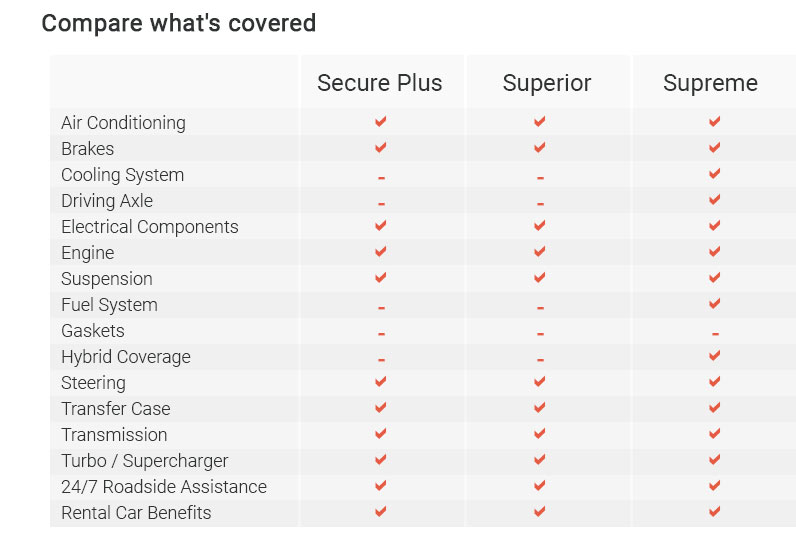
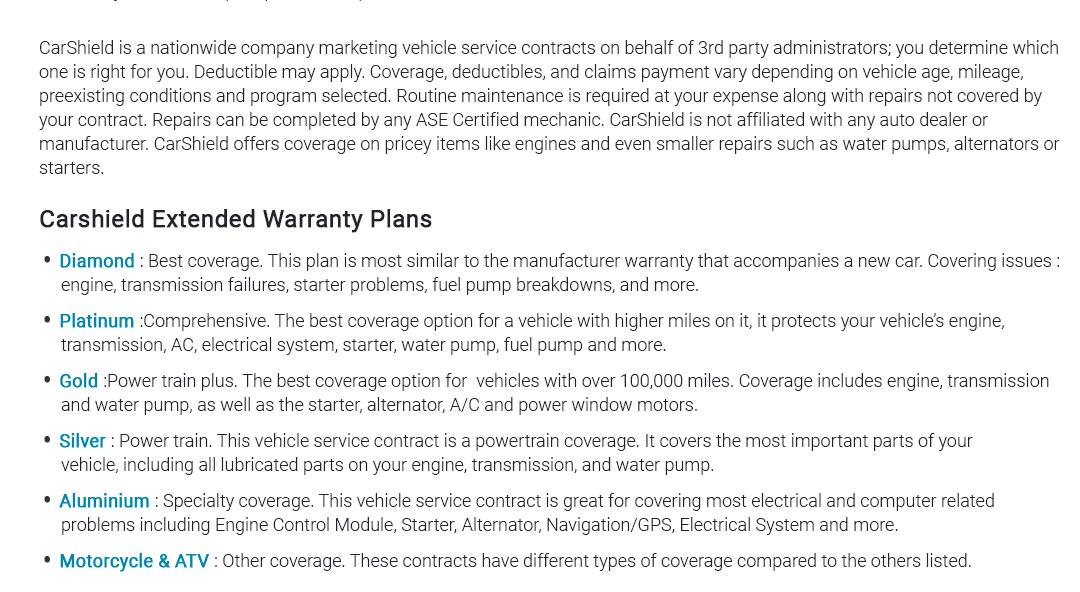
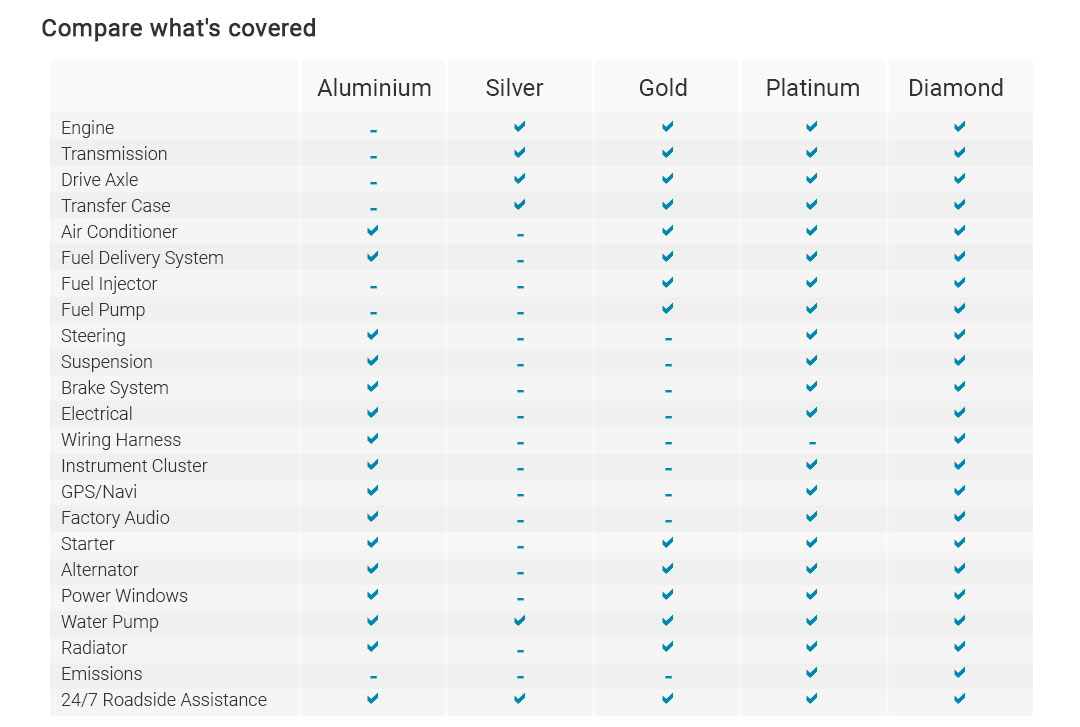
fidelity car warranty comparison and use-case guideExtended coverage jargon blurs fast; this guide evaluates how a fidelity car warranty typically works, what it covers, and when it may be the right fit. What it isA fidelity car warranty (often sold at dealerships as a vehicle service contract) helps pay for covered repairs after the factory warranty, with terms and eligibility that depend on vehicle age, mileage, and the specific contract. You pick a term, a deductible, and a coverage level; the provider pays the shop for approved repairs, and you cover the deductible. Coverage tiers at a glance
Common exclusions to watch
Costs, deductibles, and financing effectsPrice varies by vehicle, mileage, term, and coverage tier. Deductibles can be per-visit or per-repair-line; the former is gentler when a single incident involves multiple components. Rolling the cost into a loan is convenient but can slightly amplify total expense via interest; paying upfront avoids that.
Claims and repair flow
Real-world moment: on a rainy Tuesday in Phoenix, Maya's dash lit up with a check-engine warning. Her shop called in the claim, the water pump was approved under her exclusionary plan, and - aside from a modest deductible - she was back on the road by evening with rental coverage bridging the day. Not dramatic, just smooth. How it compares to alternatives
Who likely benefits
Might not be a great fit
Checklist before signing
Bottom lineA fidelity car warranty can be a practical hedge against costly mechanical surprises, especially for tech-heavy cars; value hinges on the specific contract language, the claims process, and your risk tolerance. Read the fine print, price the plan against likely repairs, and - quietly but importantly - make sure the coverage aligns with how you actually use the car. https://www.consumeraffairs.com/auto_warranty/fidelity.html
Fidelity's vehicle protection plans (Powertrain, Gold and Platinum) represent three coverage levels and offer protection for up to 120,000 miles, while its ... https://www.endurancewarranty.com/learning-center/comparisons/endurance-vs-fidelity-warranty-services/
Most of the time, these warranties will last anywhere between three years or 36,000 miles and five years or 60,000 miles. Once your factory ... https://www.fidelitywarrantyservices.com/products/car-care-protection
Details - LUBE, OIL AND FILTER - CLEAN AND ADJUST BRAKES - MULTI-POINT VEHICLE INSPECTION - TIRE ROTATION (PLUS PLANS ONLY) - CROSS COUNTRY MOTOR CLUB DRIVER'S ...
|
